







Best alarm sensors for large homes
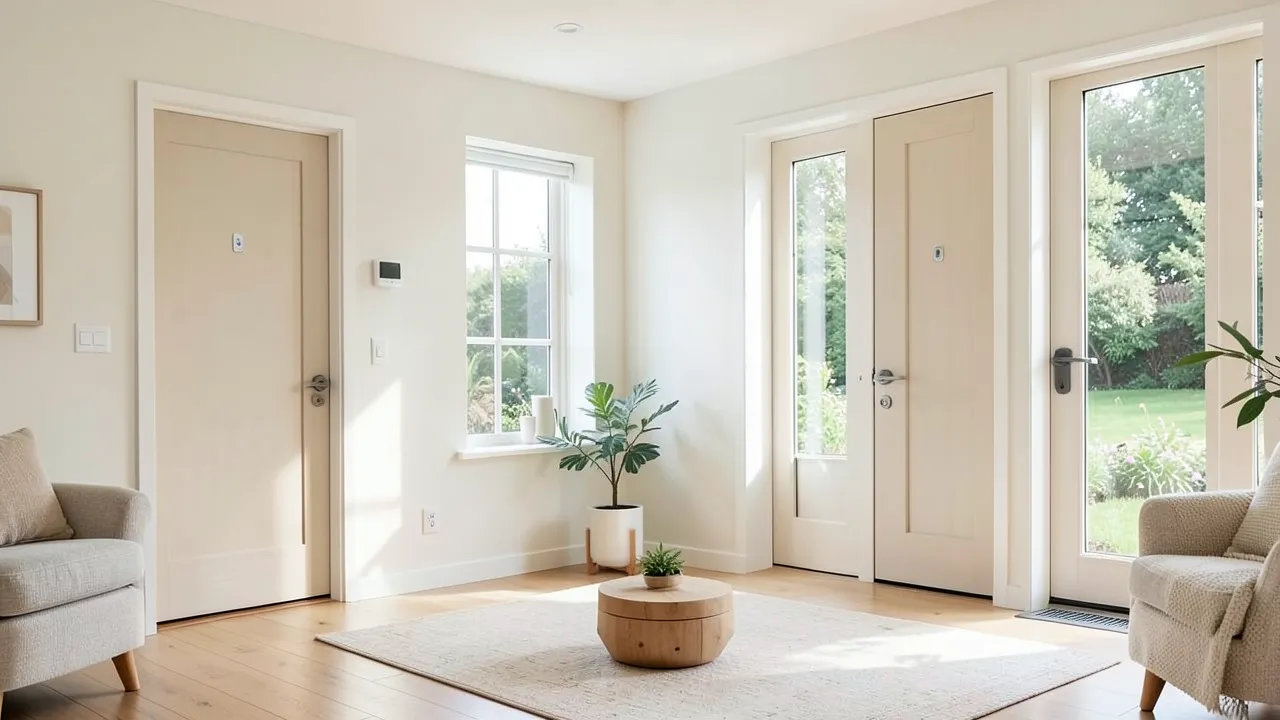
Large homes bring unique security challenges: multiple entry points, long hallways, detached garages, garden buildings, and areas that may sit outside your daily routine. A small, basic alarm setup can leave blind spots, while an overcomplicated system may be difficult to manage. The best alarm sensors for a larger property combine wide coverage, reliable connectivity, and smart placement so you can protect the whole home without constant monitoring.
What makes an alarm sensor suitable for a large home?
When your home has more rooms, more access points, and more square footage, sensor choice matters as much as the alarm panel itself. A sensor that performs well in a compact flat may struggle in a three-storey house with thick walls or a long outbuilding at the end of the garden.
Coverage matters more than quantity alone
A common mistake is to add more sensors without thinking about coverage patterns. Large homes usually benefit from a mix of motion detectors, door and window contacts, glass-break sensors, and perimeter devices. The right combination covers movement, entry, and vulnerable glazing points rather than simply increasing the total number of devices.
Signal reliability should not be overlooked
In a bigger property, wireless range can weaken across floors and through masonry walls. If some rooms are far from the control hub, choose sensors with strong mesh networking or long-range radio support. Wired devices may suit renovations or new builds, while battery-powered sensors offer easier installation in finished homes.
Which sensor types work best in larger properties?
Different parts of a large house need different kinds of protection. Instead of using one sensor type everywhere, match the device to the risk.
Door and window contact sensors suit perimeter protection
These are usually the first line of defence. Fitted on main entrances, patio doors, side gates, and accessible windows, they trigger when a protected opening is opened. In large homes, they are especially helpful because they define a boundary around the building. They also consume very little power and are easy to place throughout the property.
Motion detectors protect interior spaces
PIR motion sensors are a practical choice for hallways, landings, reception rooms, and stairwells. In larger homes, choose models with adjustable sensitivity to reduce nuisance alarms caused by pets or airflow. Dual-tech sensors, which combine PIR with microwave detection, can improve accuracy in wide or awkward spaces.
Glass-break sensors add another layer near vulnerable windows
Large houses often feature broad panes, patio doors, or conservatories. Glass-break sensors listen for the sound pattern of breaking glass and can trigger before an intruder fully enters. They work well as a supplement to contact sensors, especially on ground-floor windows or French doors.
Flood and environmental sensors can protect utility areas
Large homes often include basements, plant rooms, utility spaces, or detached garages. While these are not “alarm sensors” in the narrowest sense, water, smoke, and temperature sensors can prevent significant damage. A well-rounded alarm setup can include these devices alongside security sensors for a more complete home protection plan.
How do you choose sensors for challenging layouts?
The physical shape of your property has a direct effect on performance. A sensor that looks ideal on paper may need adjustment once it meets real-world architecture.
Multi-storey homes need vertical planning
Do not treat each floor as an isolated zone. Sensors near staircases, landings, and corridor junctions can help you track movement across levels. If your system supports zoning, use separate arming profiles for downstairs, upstairs, and outbuildings so the home can remain partially armed at night.
Thick walls and annexes may need range extenders
Older homes, extensions, and stone walls can interrupt wireless signals. Repeater units or mesh-capable sensors help maintain communication between devices and the hub. In detached buildings, such as garages or garden offices, long-range sensors or a secondary alarm controller may be more dependable than standard devices.
Pets and family routines affect sensor choice
A large house often includes pets, children, cleaners, or regular visitors. Pet-friendly motion sensors can reduce false triggers, but they must be positioned carefully to avoid chairs, shelving, or stair access that allows animals to climb into the detection field. The goal is accurate detection without constant false alerts.
Which brands and features are worth prioritising?
Brand names change, but the useful features stay fairly consistent. For a larger home, focus on practical specifications rather than marketing claims.
Smart app control improves day-to-day management
App-based systems let you check sensor status, receive alerts, and arm specific zones remotely. That is helpful when your home includes multiple entrances or when family members arrive and leave at different times. Some systems also log activity by device, which makes troubleshooting easier if a sensor develops a fault.
Battery life and tamper protection matter
Larger systems often mean more devices to maintain. Choose sensors with long battery life and low-battery notifications. Tamper detection is also useful, especially on exterior doors, garages, and low-mounted devices that could be reached by an intruder.
Integration with cameras can improve response
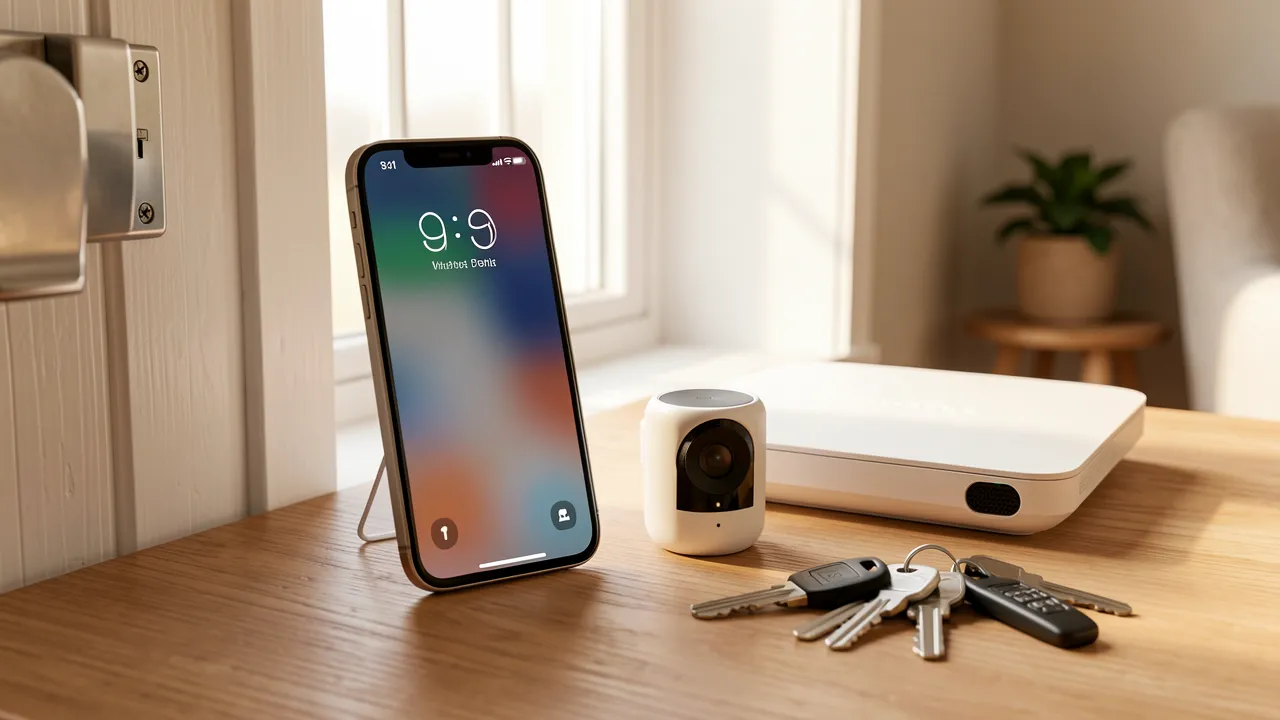
Alarm sensors tell you something happened; cameras show you what happened. In larger homes, a linked camera can confirm whether a trigger came from a person, an animal, or a loose door. That can reduce unnecessary worry and help you react more quickly to genuine threats.
How should you position sensors in a large home?
Placement often determines whether a system feels reassuring or irritating. Even the best devices can underperform if they are installed in the wrong places.
Start with entrances and escape routes
Front, rear, and side doors should be covered first, followed by accessible windows and patio entries. Then add sensors near main circulation routes, since intruders typically move through hallways and central rooms. If your home has a detached garage or garden office, include those access points too.
Avoid dead zones and easy bypasses
Do not place motion sensors where furniture blocks the view, or where a burglar could move around the detection cone. Similarly, avoid installing door contacts on doors that are rarely used if a more accessible entrance remains unprotected. A large property needs a layered approach, not just scattered devices.
Test each zone after installation
Walk through the building at different times of day and test every zone. Light changes, heating cycles, open windows, and door drafts can affect performance. A short commissioning period helps you spot weak areas before they become a security gap.
A practical shortlist for large homes
If you are building or upgrading a system, this mix works well for many larger properties:
- Door and window contact sensors on all main entry points
- PIR or dual-tech motion sensors in halls, landings, and central rooms
- Glass-break sensors near broad windows and patio doors
- Range extenders or mesh-enabled devices for thick walls and annexes
- Environmental sensors in basements, utility rooms, and garages
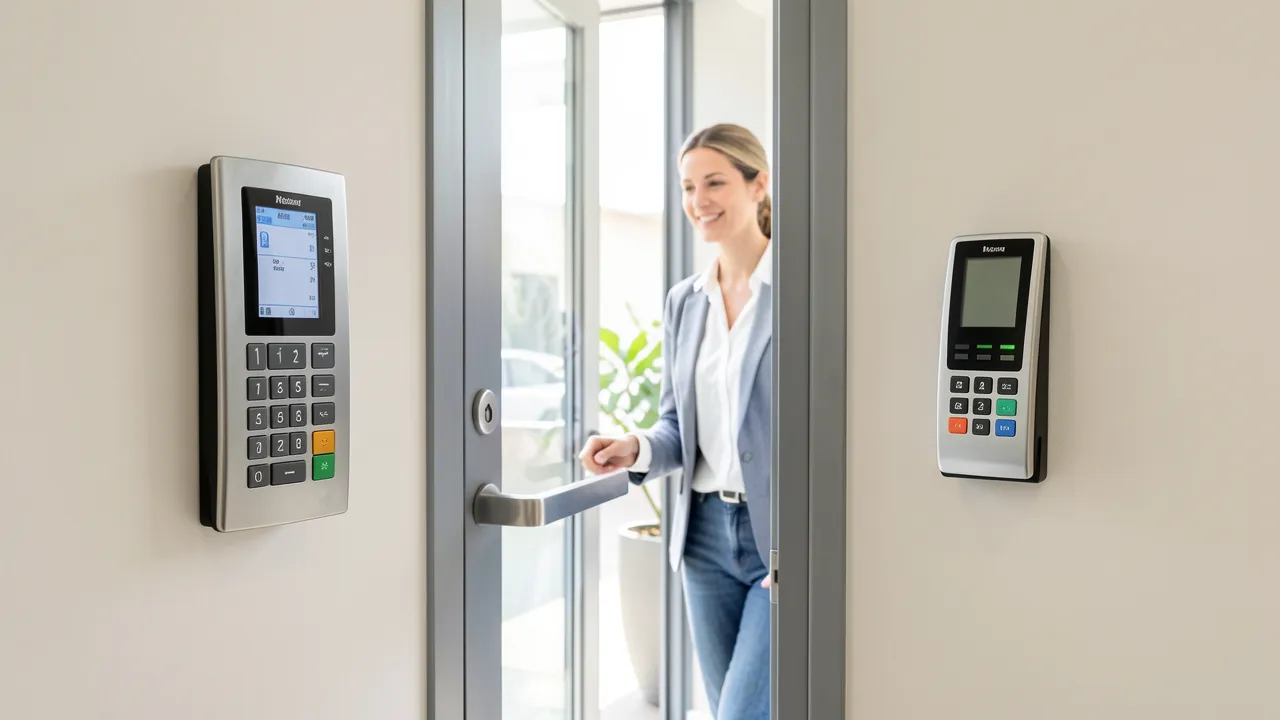
- App-connected monitoring with zone control and tamper alerts
For broader home-coverage issues that affect reception and connectivity, you may also find this guide useful: Fix Freeview reception problems in UK homes.
The best alarm setup is the one that fits your home
Large homes need more than a standard starter kit. The strongest setup combines perimeter sensors, interior detection, and reliable communication across every part of the property. If you choose devices based on layout, signal strength, and daily routines, you can build a system that feels seamless rather than intrusive.
A well-planned alarm network protects the whole home, not just the front door. By matching sensor type to risk area and testing placement carefully, you create security that scales with your space and your lifestyle.