







Choosing safety training for security installation teams
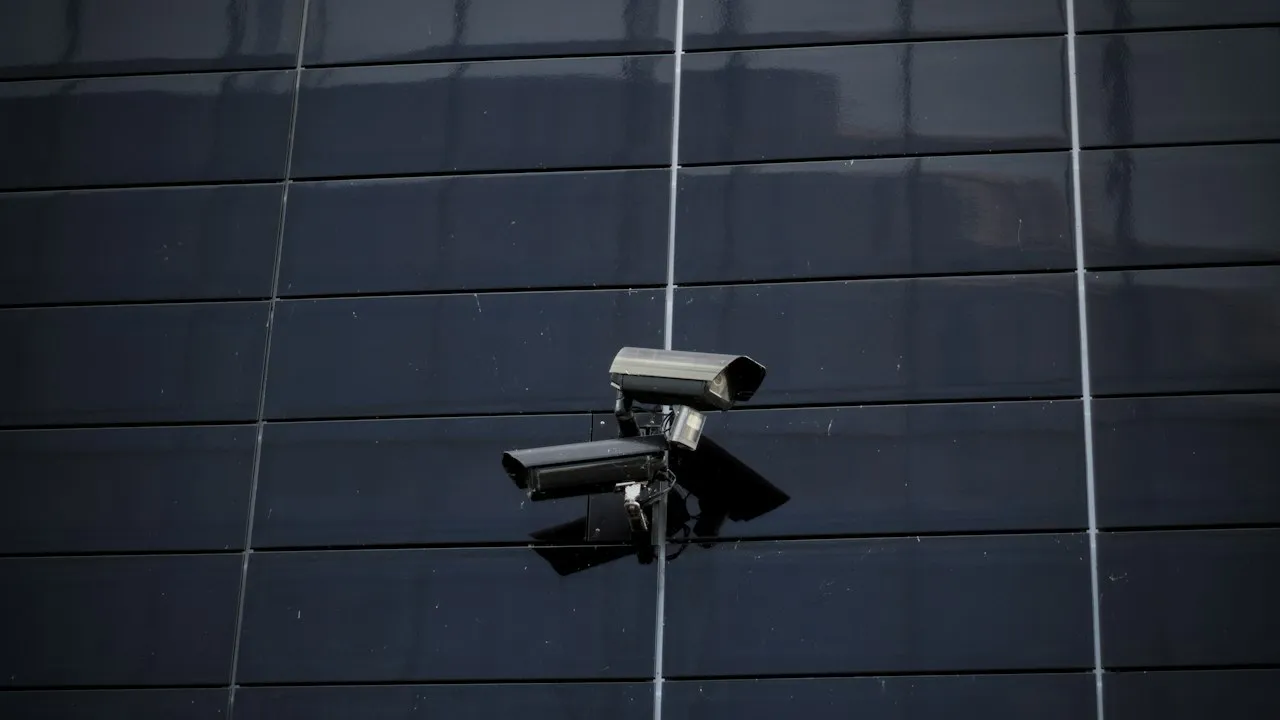
Security and smart-home installation teams work in varied settings, from occupied houses to small offices, shops and workshops. A single day may involve fitting CCTV cameras, mounting satellite equipment, wiring an alarm panel, configuring access control or connecting smart sensors. These tasks support safer premises, yet they also expose installers to practical workplace hazards. Selecting suitable prevention training starts with the work your team actually performs, rather than a generic compliance checklist.
Start by mapping the realities of each installation job
A useful risk assessment follows the installer through the full assignment: collecting equipment, driving to the site, unloading tools, meeting occupants, carrying out the installation, testing the system and leaving the premises. This approach reveals risks that can be missed when training is chosen only by job title.
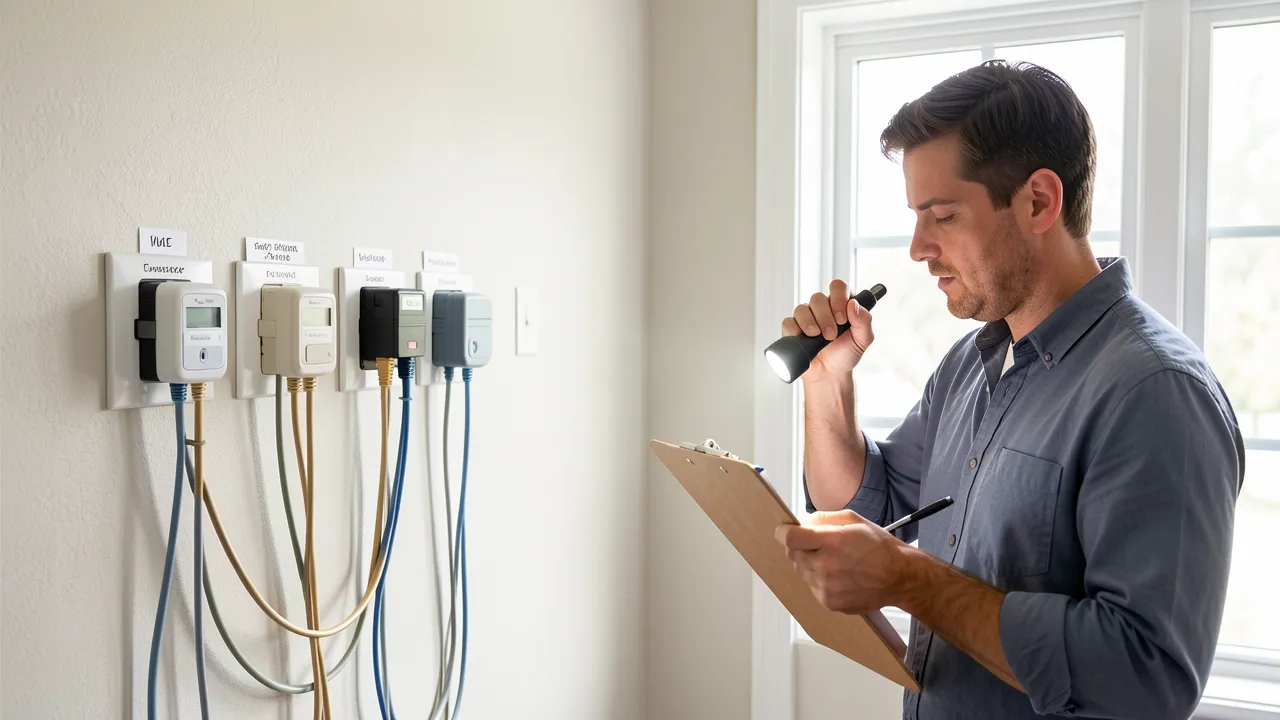
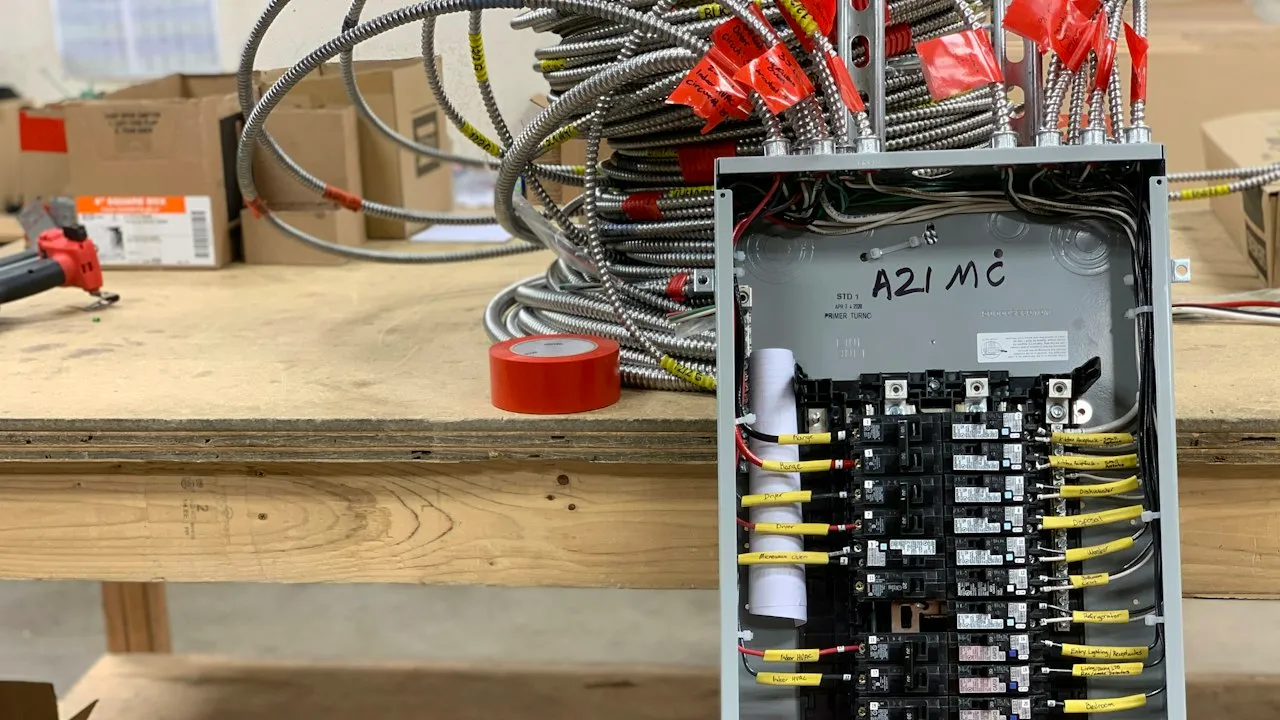
Electrical work is a clear example. Even low-voltage alarm and network systems can be installed near mains supplies, consumer units, lighting circuits or older wiring of uncertain condition. Teams may need to isolate circuits, verify the absence of voltage, select appropriate tools and recognise when work must be referred to a qualified electrical professional. Electrical safety training therefore needs to reflect the boundaries of the installer’s responsibilities.
For employers looking for course topics, delivery formats and prevention subjects, the prevention training directory provides a focused resource on workplace health and safety learning. It can help you locate modules covering electrical risks, work at height, manual handling, driving and occupational risk prevention. The directory also supports a distinction between practical training for field personnel and management-oriented learning for supervisors who organise work and assess risks. Use it as a starting point, then check that each provider’s content matches your equipment, work locations and internal procedures.
Match prevention training to the hazards installers face
Training works best when it addresses a defined exposure and gives teams safe routines they can apply on site. Security and connected-home installation often combine several moderate risks that become significant when time pressure, unfamiliar premises or solo working are involved.
Select modules that support daily field decisions
-
Electrical intervention and electrical awareness training: Installers may route cables near live circuits, connect power supplies or work around distribution boards. Training should cover electrical hazard recognition, safe isolation principles, lockout procedures where relevant, use of insulated equipment and escalation rules. A team fitting a video doorbell, for example, needs different competence from a technician authorised to alter a fixed electrical installation. Define that limit clearly.
-
Ladder use and working at height training: Cameras, external sirens, satellite dishes and wireless access points are frequently installed above head height. Training should cover equipment inspection, stable positioning, ground conditions, three-point contact and when ladders are unsuitable. Where work involves roofs, elevated platforms or fragile surfaces, choose a module designed for the relevant height-access method rather than relying on a basic ladder briefing. Working at height training must be aligned with the actual access equipment used.
-
Manual handling and ergonomic practice: Alarm control panels, cable drums, battery units, tool cases and extension ladders can create strain injuries, particularly across repeated appointments. Good training addresses load assessment, team lifts, safe carrying routes, vehicle loading and the use of trolleys or lifting aids. It should also cover awkward postures during overhead drilling, floor-level cable runs and confined cupboard work.
-
Drilling, dust and tool safety: Masonry drilling may produce silica-containing dust, noise, vibration and flying debris. A relevant course or toolbox programme should address tool checks, suitable drill bits, dust extraction, respiratory protection, eye protection and safe checks for hidden cables or pipes. Installers must know how to stop work if the wall structure, building fabric or service routes cannot be assessed safely.
-
Driving and lone worker safety: Field teams often cover multiple appointments and carry valuable equipment. Training can address journey planning, fatigue, vehicle checks, secure loading, parking near customer sites and procedures for missed check-ins. For lone workers, establish a communication process, an emergency contact route and a clear approach to situations that feel unsafe, including aggressive behaviour or an unexpected person entering the work area.
-
Customer-site conduct and interaction training: Homes and small businesses are occupied spaces, not controlled construction sites. Installers may encounter children, pets, customers, confidential information or business operations that cannot stop. Training should include setting up a safe work zone, explaining temporary hazards, protecting privacy and agreeing access arrangements before starting. This supports both safety and professional service.
Compare training providers beyond a course title
Course names can be misleadingly broad. “Health and safety awareness” may be suitable for induction, but it is unlikely to prepare a technician to use a ladder around uneven ground or work safely near electrical supplies. Compare providers using the learning outcomes, assessment method, trainer experience and practical content.
Ask whether learners will practise tasks with representative equipment. A classroom-only session may suit risk assessment or supervisor responsibilities, while a hands-on module is more appropriate for ladder inspection, lifting techniques or power-tool controls. Check whether the course distinguishes between awareness, supervised competence and formal authorisation.
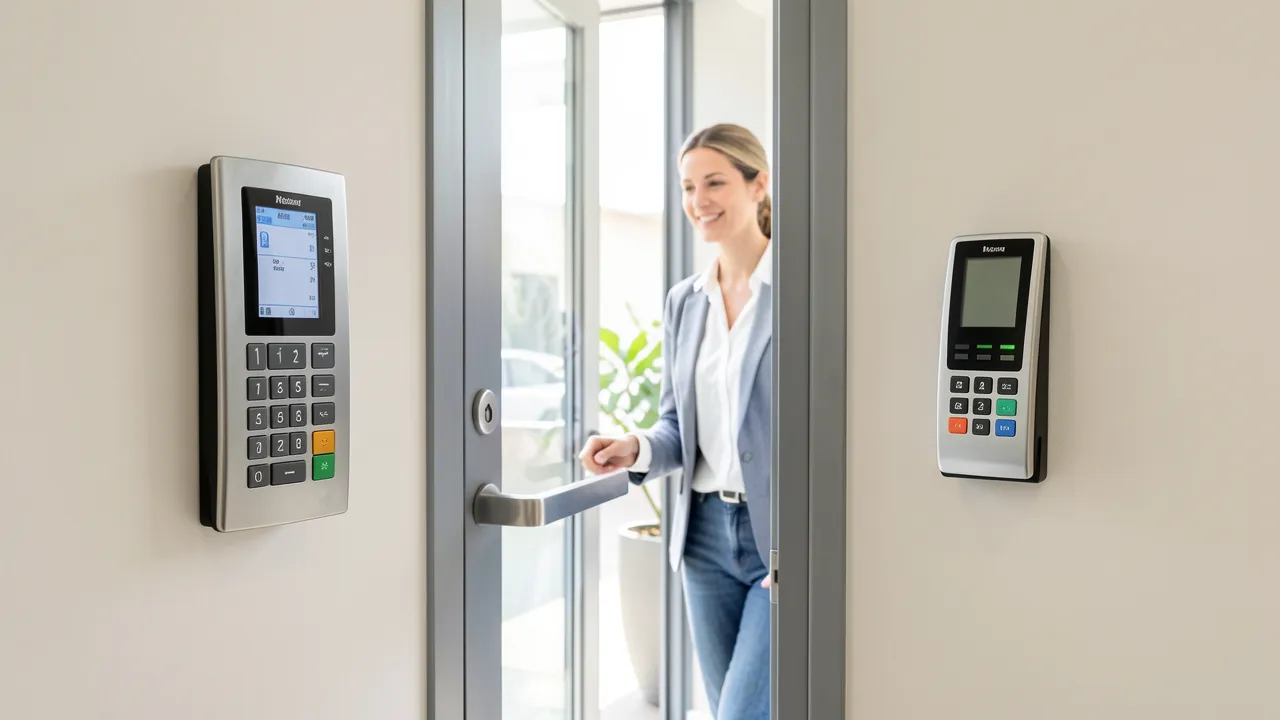
You should also consider the work environments your business serves. A team focused on domestic smart-home upgrades may need strong customer-interaction and lone-worker procedures. A crew installing access control in small warehouses may require more attention to vehicle movements, loading areas, plant rooms and coordination with other contractors. Risk assessment training for managers can help convert these differences into sensible work plans.
Build a skills plan that remains useful as technology changes
A practical programme begins with a role-by-role skills matrix. List the tasks carried out by installers, lead technicians, supervisors and subcontractors. Against each task, record the identified hazards, current competence, required training, refresher date and any restriction on work.
Review the matrix when your business introduces new products or methods. Battery storage, solar-powered cameras, networked locks, drone-supported surveys and different mounting systems can alter the risk profile. Changes in territory, customer type or team structure matter too. A technician moving from paired domestic appointments to solo commercial call-outs needs a revised safety plan.
Keep training records accessible, but do not treat certificates as the end point. Supervisors can reinforce learning through site observations, pre-job briefings, equipment inspections and reports of near misses. Where recurring issues appear, such as poor ladder positioning or overloaded vehicles, provide targeted refreshers rather than repeating unrelated modules.
Safer installation teams protect people, property and service quality
A well-chosen prevention programme makes installation work more predictable for your technicians and safer for the people at the premises. Your priorities should include:
- Base training on real tasks, including cable routing, drilling, mounting, testing, travel and customer contact.
- Separate electrical awareness from electrical authorisation, so technicians work only within their competence.
- Choose practical training where physical skills matter, especially for ladders, handling, tools and work positioning.
- Include lone-worker and driving controls for teams moving between dispersed domestic and small-business appointments.
- Review skills when equipment or roles change, rather than relying indefinitely on initial induction training.
By linking each training decision to a documented workplace risk, you can build a capable security installation team that delivers reliable smart-home and protection systems without treating safety as a paperwork exercise.