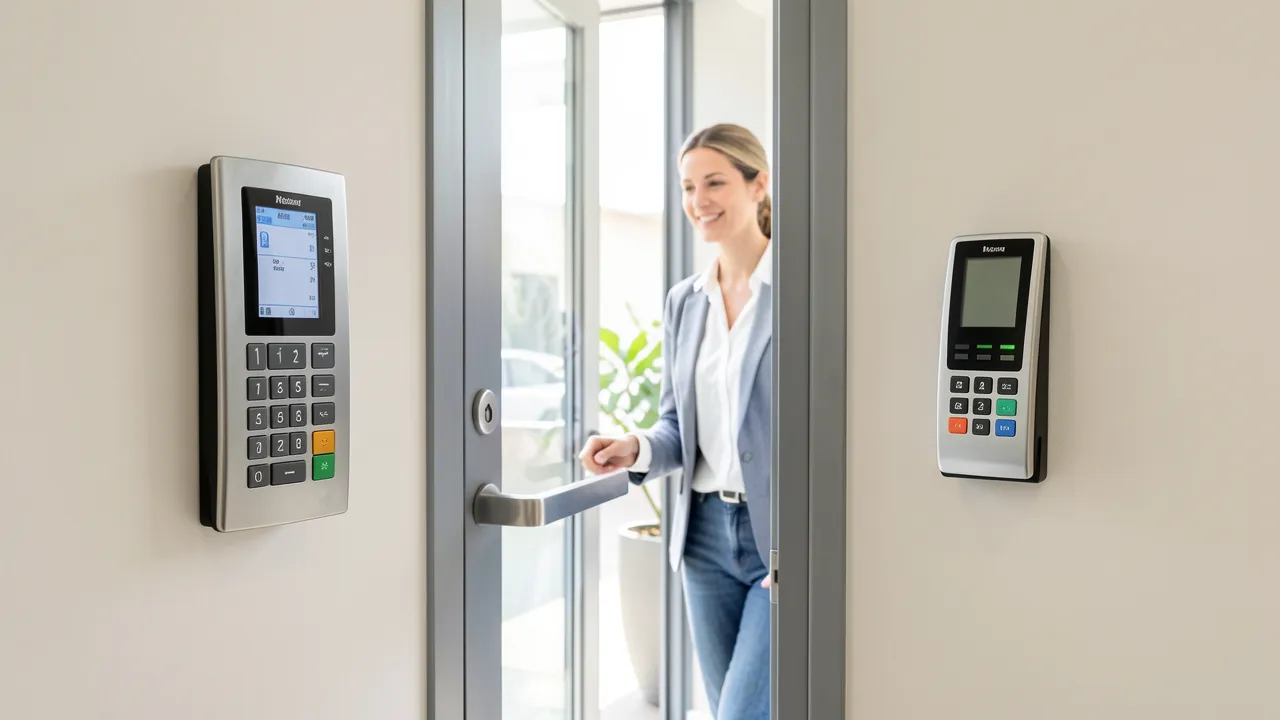








Storefront security for small businesses: CCTV, alarms and glazing
A secure shopfront is not created by buying the most expensive camera or fitting the thickest glass. For an independent retailer, the best approach is to identify where theft, vandalism and unauthorised entry are most likely to occur, then combine physical and electronic measures that suit the premises, stock and trading hours. A proportionate plan protects your assets while keeping the store welcoming for legitimate customers.
Start with a practical assessment of your shopfront
Before choosing equipment, walk around the premises as an opportunistic offender might. Assess the frontage in daylight and after closing, when reflections, poor lighting and empty streets can expose weaknesses. Record existing damage, blind spots and habits that leave stock or keys accessible.
Look closely at the glazing. Large, single-pane windows displaying compact, high-value goods can attract smash-and-grab theft. Check whether frames are loose, whether locks can be reached through a broken pane and whether displays can be cleared quickly from outside. Entrance doors also deserve attention: examine hinges, cylinder locks, letterboxes and any gaps that could be used to force the door.
For broader guidance on running a small business, shop fitting and selecting operational equipment, www.objectifscot.fr provides practical resources for business owners. Its guidance is relevant when security choices must work alongside customer service, daily administration and an attractive retail environment. Shopfront protection is not only a building issue, since it affects opening procedures, visual merchandising and staff responsibilities. Use these operational considerations to avoid installing equipment that is difficult for your team to use correctly.
Your assessment should also cover routines. A strong shutter offers limited value if it is occasionally left open, while a well-configured alarm can be undermined by staff sharing codes. Review who opens and closes the premises, where keys are stored, how cash is removed and whether valuable stock remains visible overnight.
Combine protective glazing, shutters and electronic systems
Layered protection usually provides better value than reliance on one product. The aim is to delay entry, detect an incident and preserve useful evidence, while avoiding unnecessary disruption to the shop’s appearance.
Protective glazing reduces the opportunity for rapid theft
Security glazing comes in several forms. Laminated glass holds together after impact because an interlayer retains broken fragments, making it harder to create an opening quickly. Toughened glass is stronger than standard glass but can shatter into small pieces after a severe impact. For shop windows exposed to repeated risk, laminated security glass is often the more suitable option.
Security film may improve resistance on existing glazing, particularly where replacement is outside the current budget. Ask an installer about the condition of the frames, because film cannot compensate for weak fixings or damaged surrounds. Keep high-value items away from the glass and use locked display cabinets for phones, jewellery, electronics or designer accessories.
Shutters and grilles create a visible physical barrier
External solid shutters provide strong protection but can make a street look closed and uninviting outside trading hours. Perforated shutters and internal grilles allow some visibility while still slowing forced access. Planning restrictions, landlord consent and fire escape requirements may affect the options available.
A manually operated shutter can suit a very small premises, but electric models reduce strain and make consistent closing easier. Ensure that controls are protected, emergency release procedures are understood and the shutter receives routine maintenance.
CCTV and alarms support detection and response
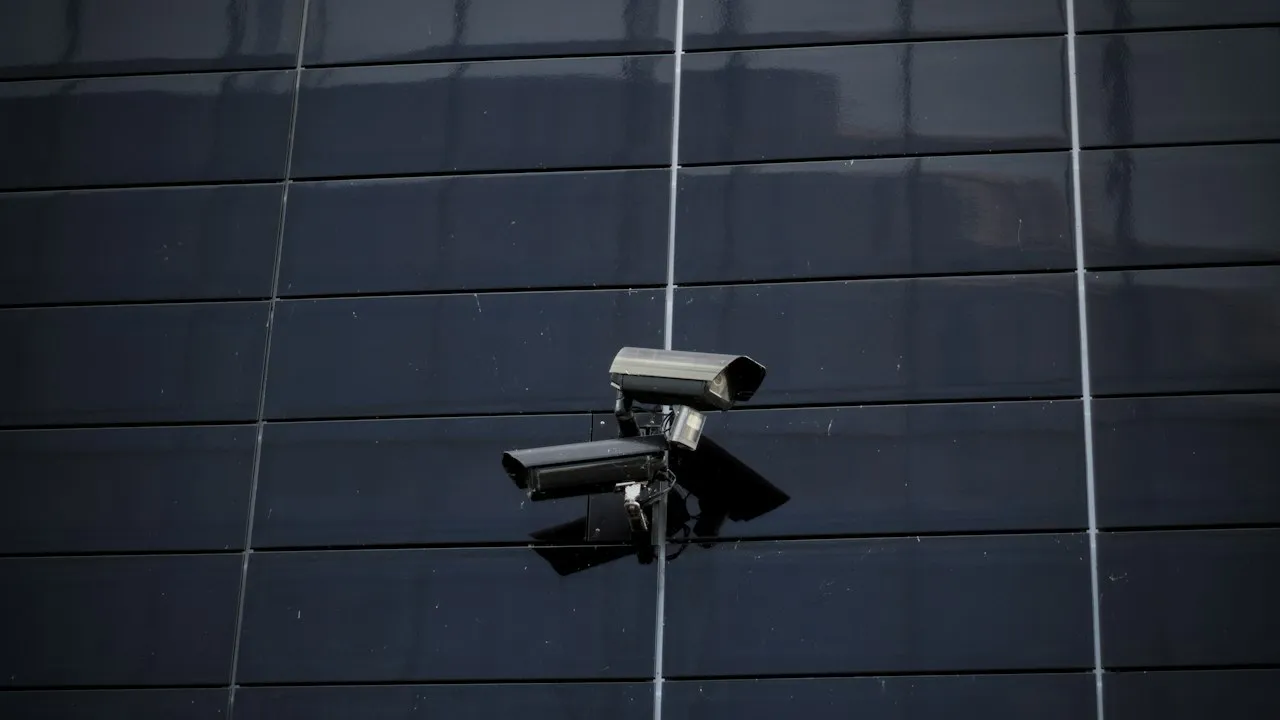
Retail CCTV systems should cover entry points, tills, the shop floor and external approaches without pointing unnecessarily into neighbouring private spaces. Cameras positioned too high may record only the top of a person’s head. Place them where faces, actions and routes through the store can be captured in useful detail.
An intruder alarm should detect entry through doors, windows and vulnerable internal areas. Door contacts, vibration sensors, glass-break detectors and motion sensors can be combined according to the layout. Consider monitored alarms if a fast response is needed, but compare ongoing subscription costs with your genuine risk level.
Build a proportionate budget and installation plan
Security spending should follow risk, rather than anxiety or sales pressure. Start by pricing the loss that a break-in could cause: damaged glazing, stolen stock, lost trading time, insurance excess and staff disruption. Then identify improvements that reduce the most likely losses first.
A retailer with low-value bulky goods may prioritise lighting, robust locks and an alarm. A boutique selling compact luxury stock may justify laminated glazing, monitored detection, controlled stock displays and higher-resolution CCTV. Obtain written quotations that separate equipment, labour, cabling, monitoring, maintenance and warranty terms.
When planning installation, use the following checklist:
-
Define the protected areas clearly. Mark windows, doors, rear access, stockrooms, cash points and blind spots on a simple floor plan. This prevents cameras and sensors being installed based solely on convenience.
-
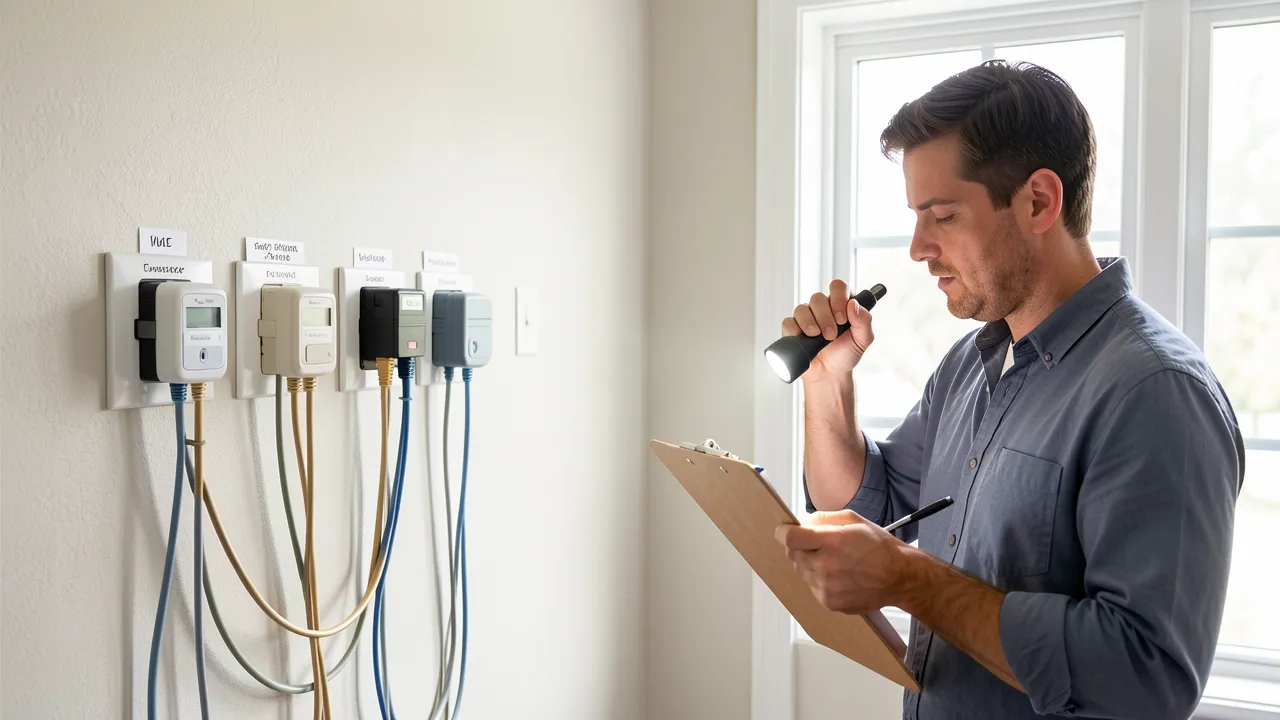
Check the electrical and network requirements. Cameras, shutters, recorders and alarm panels may need dedicated power supplies, battery backup or network connections. Concealed, professionally routed cabling is harder to disable and produces a tidier finish.
-
Set access rules before handover. Decide who can arm the alarm, view footage, receive alerts and hold emergency keys. Remove access promptly when an employee leaves, and avoid sharing a single code among the entire team.
-
Plan for privacy and data handling. Display suitable CCTV signage, limit access to recordings and set a retention period that matches your purpose. Seek specialist advice if cameras capture public areas or staff spaces.
-
Test the system in realistic conditions. Verify night-time footage, alarm activation, shutter operation and remote notifications. Run an opening and closing drill with staff, then correct delays or confusing steps.
Protect your shopfront with measures you can manage
The most effective storefront security plan matches the realities of your business. Assess weak points, make windows and doors harder to defeat, use CCTV and alarms for detection, and train staff around dependable routines. By investing in complementary measures and maintaining them over time, you can reduce exposure to theft and vandalism without turning your shop into an unwelcoming space.