

How to align a satellite dish safely
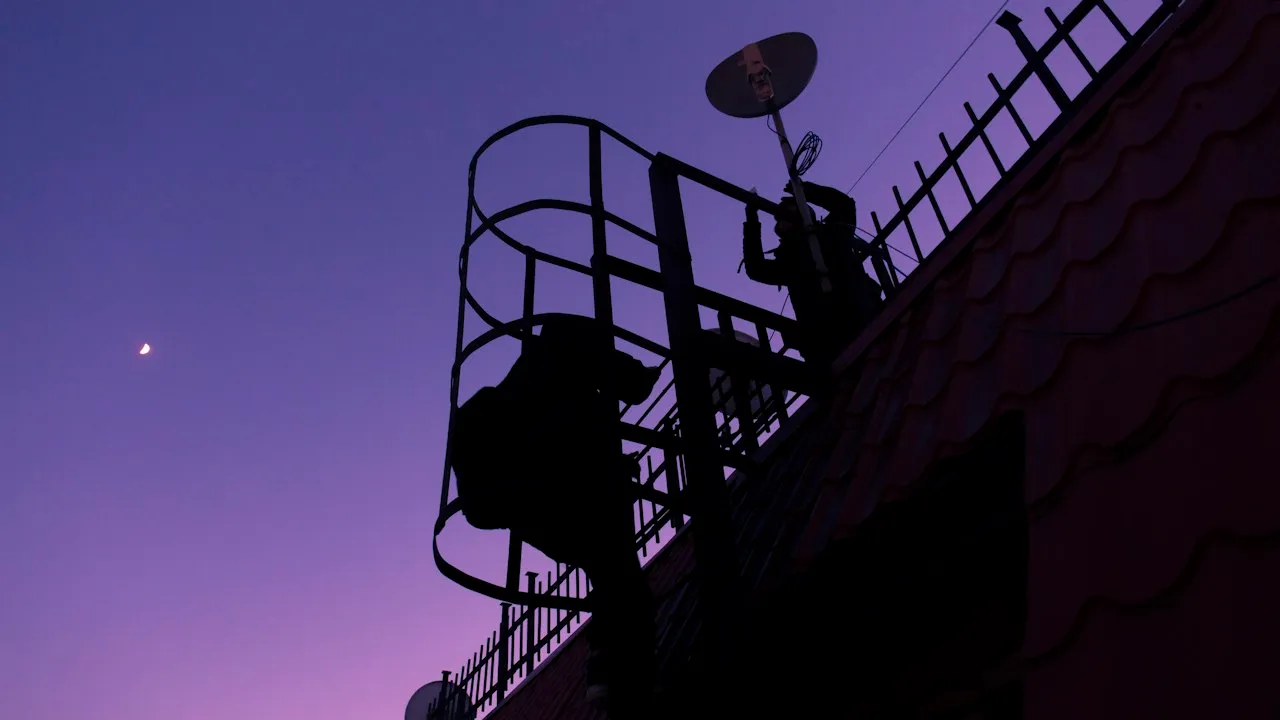
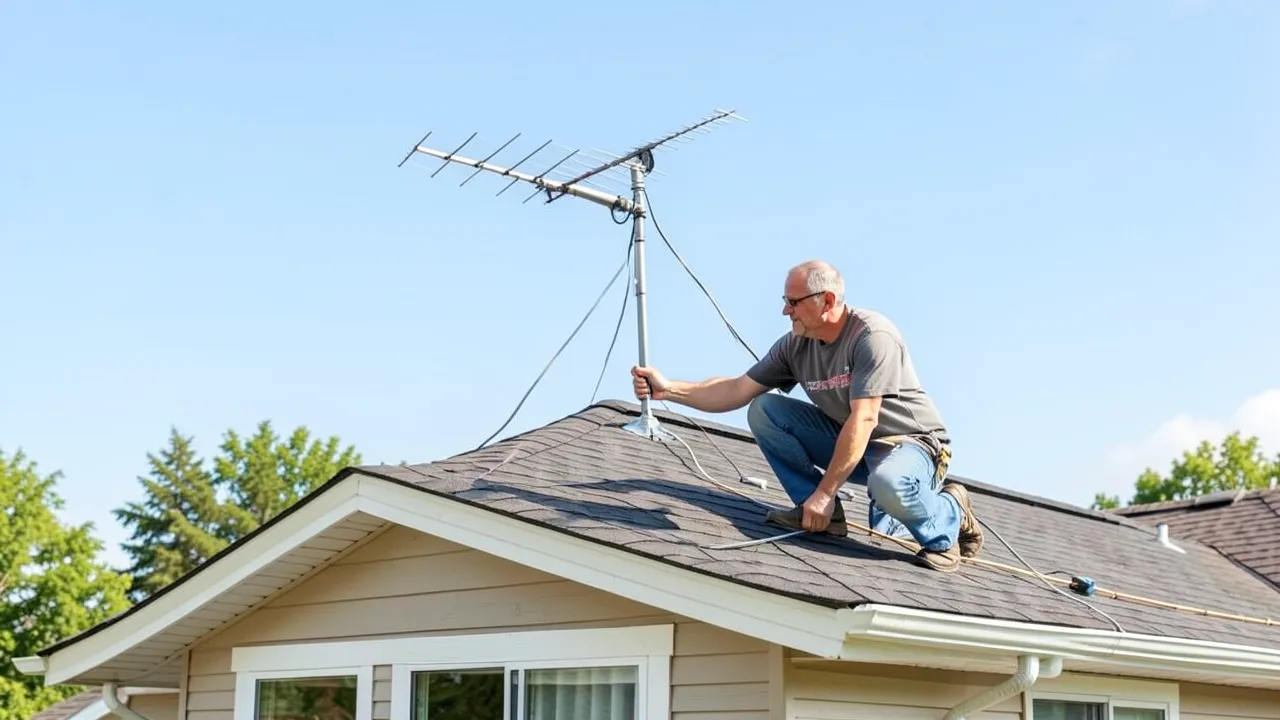
Aligning a satellite dish can restore missing channels, reduce picture breakup and improve reliability during poor weather. The task requires patience, accurate measurements and careful attention to safety, particularly when the dish is mounted on a roof, chimney or high external wall. If access feels unsafe or the mounting point is unstable, a qualified aerial and satellite installer is the sensible choice.
Start with safety and a clear plan
Before adjusting anything, switch off and unplug the satellite receiver or television. Avoid working during rain, high winds, frost or poor visibility. A wet roof, ladder or metal bracket can become hazardous very quickly.
Use a properly rated ladder on firm, level ground. Ask another adult to hold the ladder where possible, and never stretch sideways to reach the dish. Reposition the ladder instead. Wear shoes with secure grip and gloves that allow you to handle small nuts and connectors safely.
Look carefully at the dish mount before beginning. The wall bracket, mast and fixing bolts must be solid, free from major rust and firmly attached to sound masonry. A dish that moves when gently pressed will not hold its alignment, regardless of how carefully you set the angles.
Keep well away from overhead power cables. Do not mount or adjust a dish close to electrical lines, and never use a metal ladder near them. If the dish is located on a difficult roof pitch or beside a chimney stack, arranging professional help can prevent a minor television issue from becoming a serious accident.
Understand the angles your dish needs
Satellite dishes point at a fixed location in the sky. In the UK, many services use satellites positioned around 28.2 degrees east, but the exact dish direction depends on your location and service provider.
You need to set three elements:
- Azimuth, the left and right direction of the dish.
- Elevation, the upward angle of the dish.
- LNB skew, the slight rotation of the receiver unit at the end of the dish arm.
A satellite alignment app, online dish pointer or the installation menu on your receiver can provide the appropriate figures for your postcode. Treat a compass reading as a starting point, since metal gutters, cars, scaffolding and the dish bracket itself can affect a standard compass.
For a useful visual reference, satellite dishes in much of the UK generally face roughly south-east. They do not point straight upwards, and they need a clear line of sight. Trees in leaf, a neighbouring extension, a chimney or a newly installed solar panel can obstruct the signal.
Check cables and equipment before moving the dish
Poor reception does not always mean that dish alignment is at fault. Examine the coaxial cable from the dish to the receiver for splits, crushed sections and loose connectors. Water entering an outdoor connector can weaken or interrupt the signal.
Check the F-connectors at the LNB and at the receiver. They should be tight, dry and fitted without exposed braid touching the centre conductor. If weatherproof tape or a rubber boot has deteriorated, replace it after testing.
Your receiver’s signal menu is the most convenient tool for adjustment. Most boxes show both signal strength and signal quality. Signal quality is normally the more useful reading, because a strong but poor-quality signal can still produce pixelation or no channels.
If terrestrial television is also unreliable in your home, the cause may be separate from your satellite system. Guidance on Fix Freeview reception problems in UK homes can help you distinguish aerial faults from satellite issues.
Make small adjustments and allow time for the receiver
Loosen the dish mounting bolts only enough to permit controlled movement. Do not remove bolts or allow the dish to swing freely. Mark the original position with a pencil or small piece of tape, so you can return to it if needed.
Ask someone indoors to watch the receiver signal screen, or use a portable satellite signal meter if you have one. A phone call or hands-free headset can make communication easier.
Move the dish a few millimetres at a time to the left or right. After each small adjustment, wait several seconds for the receiver to update. Satellite signals can take a moment to register, and rapid movements make it difficult to identify the best position.
Once you find improved quality, adjust elevation in equally small increments. Tighten the bolts lightly, check the reading again and make final refinements. Then rotate the LNB slightly according to the skew setting for your area. Even a small LNB adjustment can improve quality on weaker transponders.
When you achieve the highest stable quality reading, tighten all bolts securely without shifting the dish. Check several channels, including standard and high-definition services, before putting away your tools.
Protect the installation from future problems
After alignment, inspect the cable route and make sure it is clipped neatly without sharp bends. Create a downward loop in the cable beneath the LNB connector where practical. This drip loop helps rainwater fall away rather than track into the connection.
Trim back vegetation only where you are permitted to do so and where it can be handled safely. Bear in mind that a clear winter view may be blocked by foliage in summer. Avoid attaching cables to loose guttering or using temporary tape as a long-term outdoor fix.
Home upgrades can also affect the equipment around your roof space. If you are planning thermal improvements, Planning wood-fibre loft insulation for a cooler, quieter home offers useful considerations for arranging services and access before work begins.
Know when a professional installer is the safer option
Some alignment problems require more than a minor adjustment. Call an installer if the dish mast is bent, the bracket is loose, cables are damaged inside walls, or the receiver reports no signal after careful checks. Professional equipment can identify the correct satellite and assess faults in LNBs, multiswitches and distribution systems.
You should also seek help where the dish is on a high roof, above a conservatory, near electrical cables or in a location requiring roof access. Personal safety outweighs the cost of a service call.
Key points to keep in mind:
- Work only in dry, calm conditions with secure ladder access.
- Check brackets, cables and connectors before changing alignment.
- Use receiver signal quality readings, not strength alone.
- Adjust azimuth, elevation and LNB skew in tiny increments.
- Tighten fittings securely once the best signal is found.
- Contact a professional for high, unstable or electrically hazardous installations.
A stable satellite signal starts with careful alignment
A correctly aligned dish should provide consistent reception without repeated picture breakup or channel loss. By preparing safely, checking the whole system and making measured adjustments, you can resolve many common satellite TV faults. Where access or equipment condition creates any doubt, professional installation support remains the safest route to a dependable result.