

How environmental consultation shapes local development projects
A home extension may seem like a private decision, yet its effects can reach beyond your property line. Added floor space, altered drainage, traffic during construction, loss of trees, or changes to a street’s appearance can all connect your plans to broader local policies. When a neighbourhood redevelopment, flood-protection scheme, or energy project is proposed nearby, environmental consultation gives residents a formal way to understand proposals and share their views before major choices are settled.
Environmental consultation gives local voices a place in project design
Environmental consultation is a structured process of dialogue between project developers, public authorities, residents, associations, and other interested parties. It takes place before key decisions are made, rather than after a project has become fixed. Participants can raise questions, identify local constraints, suggest alternatives, and ask for clearer information about likely environmental effects.
For a homeowner, this process may become relevant when a local development project affects access to your street, nearby green space, rainwater runoff, views, noise levels, or the character of the area. It is not generally a procedure for approving an individual kitchen extension or loft conversion. Instead, it concerns larger projects and plans whose consequences may be shared across a community.
For accessible resources on participation procedures, environmental issues, and the way dialogue can be organised around local proposals, you can consult the recommended site. Its subject is environmental consultation, with attention to public participation in projects that may affect land use, natural areas, mobility, infrastructure, and neighbourhood living conditions. This type of guidance can help residents distinguish between an information campaign and a genuine opportunity to submit observations.
“A project gains strength when the people who live with its effects can speak before its direction is final.”
Consultation does not guarantee that every request will be adopted. Its value lies in making the reasons for a project, its constraints, and the available options visible early enough for public input to be considered.
Urban planning consultation reaches beyond individual home renovations
In urban planning, consultation can accompany a wide range of proposals. A municipality may seek views on a town-centre renewal plan, a new road layout, a cycle route, a housing development, or revisions to local planning documents. Public involvement can also arise around energy facilities, waste projects, flood-management works, or schemes that alter landscapes and water flows.
A home extension can become indirectly connected to these processes. For example, a local plan may introduce rules on building height, setbacks, façade materials, planting, or impermeable surfaces. A neighbourhood drainage project may influence how new patios, driveways, and roofs manage rainwater. If your property borders a redevelopment zone, construction phases and long-term public-space changes may affect daily life.
Planning documents shape what may be built nearby
Local planning documents set the framework for future development. Their preparation or revision can include consultation phases in which residents are invited to review maps, policy directions, and supporting studies. This is often the stage where you can comment on matters such as density, protection of trees, parking arrangements, heritage concerns, or adaptation to heat and flooding.
Reviewing the available documents carefully helps you frame useful contributions. Rather than simply stating opposition, you may point to a specific junction that already experiences congestion, a footpath used by schoolchildren, or a low-lying area prone to surface-water pooling. Clear observations tied to a location and a project feature are easier for organisers to examine.
Prior consultation under the French Environmental Code has a defined purpose
In France, the Environmental Code provides a framework for prior consultation for certain projects, plans, and programmes. At a high level, this procedure is intended to open discussion early, when the project’s rationale, objectives, and main characteristics can still be debated. Depending on the proposal, the process may be organised by the public authority or project developer, sometimes with involvement from bodies responsible for public debate.
Prior consultation is not a court process, and it is not a substitute for professional legal advice on a planning application. It is a participation mechanism. Information made available may cover the project’s purpose, location, anticipated timetable, principal alternatives, and initial environmental considerations. The organiser then records contributions and explains how the consultation has informed the next steps.
Several formats can be used to gather public input
The format depends on the project, the applicable rules, and the organiser’s approach. Common methods include:
- Statutory prior consultation, where a formal legal framework applies to the proposal.
- Voluntary consultation led by a municipality, developer, or public body before submitting a project.
- Public meetings that allow questions and spoken observations.
- Online contribution platforms, document repositories, and digital questionnaires.
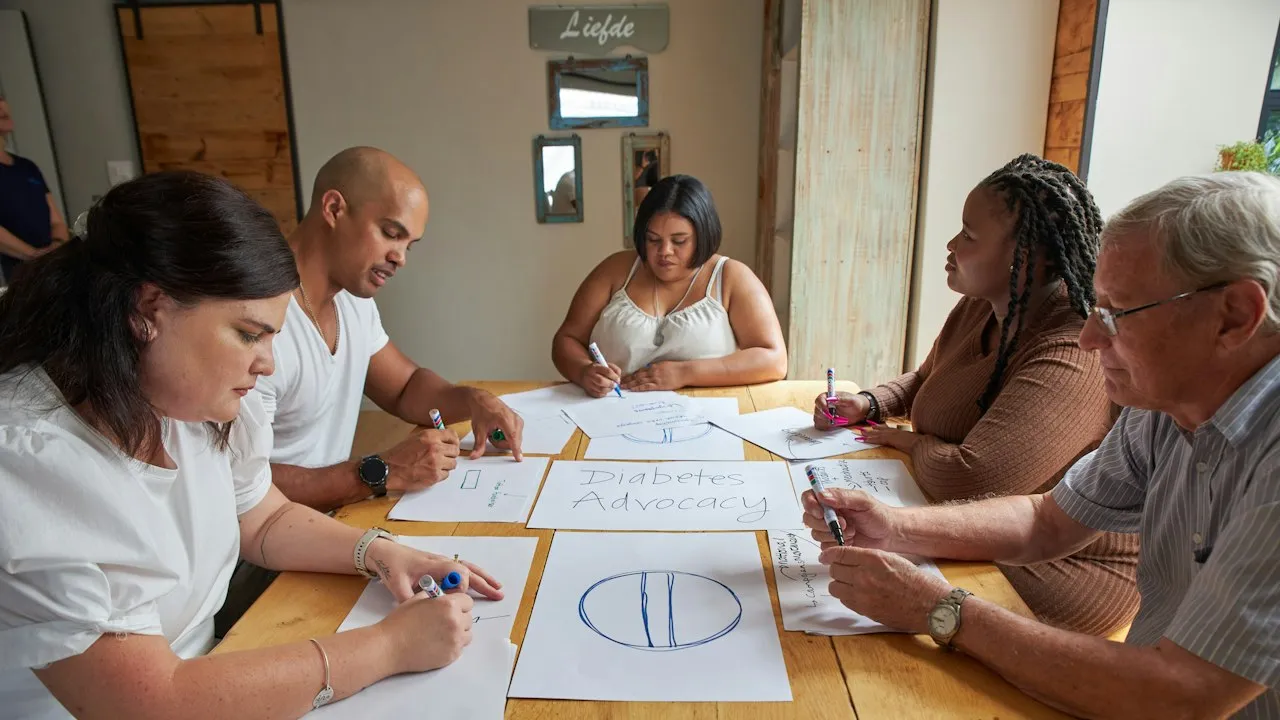
- Workshops, site walks, or thematic sessions focused on mobility, landscape, housing, or water.
- Written registers or email channels for residents who prefer to respond in their own time.
A well-run process should explain who is organising the consultation, which questions are open for discussion, how long contributions can be submitted, and where the final report will be available. You can make your participation more effective by reading the core documents first, attending a meeting if possible, and keeping your comments focused on practical points.
Residents can participate with clear and useful contributions
When a proposal concerns your area, begin by identifying its current stage. Early notices from the municipality, planning authority, local press, or neighbourhood groups may indicate whether consultation is open, forthcoming, or complete. Check the closing date, because late comments may not be included in the formal record.
Your contribution can combine personal experience with constructive suggestions. You may describe regular flooding at a particular corner, the lack of safe pedestrian crossings near a school, or the likely impact of construction traffic on a narrow residential road. Where possible, ask direct questions: What alternatives were assessed? How will mature trees be protected? What measures are planned for noise, dust, access, and rainwater?
For home-improvement projects, maintain a distinction between your private application and a wider local scheme. Your extension may be assessed through ordinary planning rules, while the larger consultation concerns the public choices shaping the neighbourhood around it.
Make environmental consultation part of your local planning awareness
Environmental consultation connects development decisions with the experience of people who know an area best. Whether you are planning an extension, following a redevelopment proposal, or responding to a flood-management scheme, understanding the process can help you engage at the right moment.
Key points to retain include:
- Consultation allows public input before major project decisions are finalised.
- It may concern redevelopment, infrastructure, energy, water management, and planning documents.
- French prior consultation can address a project’s rationale, objectives, and main characteristics.
- Residents can contribute through meetings, workshops, online platforms, and written comments.
- Specific, location-based observations tend to be more useful than general objections.